Building Safety Act: When You Need an SKaTE Analysis
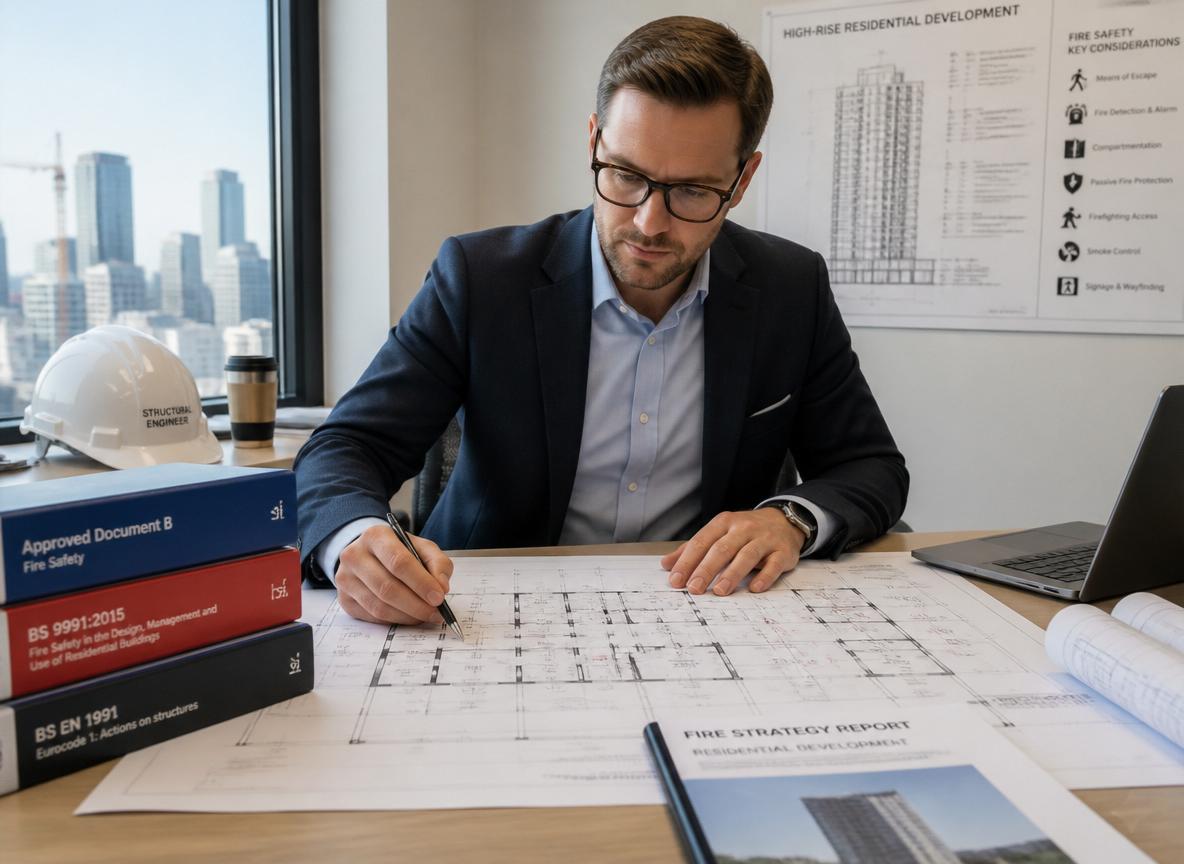
If you're responsible for a higher-risk building under the Building Safety Act 2022, you have new duties to ensure structural safety. This includes commissioning proper analysis when significant concerns arise about your building's structural integrity. An SKaTE analysis — a detailed structural engineering assessment — may be legally required in specific circumstances.
The Building Safety Act fundamentally changed how building safety is managed, particularly for high-rise residential buildings. Getting structural safety wrong isn't just a compliance issue — it can lead to catastrophic consequences for residents and unlimited fines for those who fail in their duties.
What is the Building Safety Act 2022?
The Building Safety Act 2022 established a new regulatory framework following the Grenfell Tower tragedy. It created the role of Building Safety Regulator (part of the HSE) and introduced enhanced duties for those responsible for higher-risk buildings.
Higher-risk buildings are those that are at least 18 metres in height or have at least seven storeys and contain at least two residential units. This includes blocks of flats, student accommodation, and care homes, but excludes hospitals and secure residential institutions.
The Act places specific duties on Accountable Persons — typically building owners or those with legal control — to assess and manage all building safety risks during occupation. This includes structural safety risks that could lead to the spread of fire or structural failure.
What is SKaTE Analysis?
SKaTE stands for Skills, Knowledge and Technology Evaluation. It's a structured methodology used by structural engineers to assess complex building safety issues, particularly where existing analysis may be insufficient or where significant structural concerns have been identified.
An SKaTE analysis involves:
Detailed structural assessment — comprehensive evaluation of load paths, structural capacity, and failure modes
Risk quantification — numerical assessment of probability and consequence of structural failure
Options appraisal — evaluation of remedial measures and their effectiveness
Recommendation prioritisation — ranking interventions based on risk reduction and practicality
The analysis must be carried out by competent structural engineers with appropriate expertise in the specific building type and construction methods involved.
When is SKaTE Analysis Required?
Under the Building Safety Act 2022, you may need to commission an SKaTE analysis when:
Significant structural defects are discovered — such as concrete deterioration, steel corrosion, or foundation settlement
Previous assessments are inadequate — where existing structural reports lack sufficient detail or use outdated standards
The Building Safety Regulator requires it — following inspection or enforcement action
Major alterations are planned — where changes could affect structural integrity or fire safety
Resident safety complaints — where structural concerns are raised that cannot be dismissed without detailed analysis
The decision isn't always obvious. If you're unsure whether your building's structural issues warrant SKaTE analysis, you need professional structural engineering advice before proceeding.
Your Legal Duties Under the Building Safety Act
As an Accountable Person, you have specific duties under the Building Safety Act 2022:
Duty to Assess Building Safety Risks
You must carry out regular assessments of all building safety risks, including structural risks. This isn't a one-off exercise — assessments must be reviewed and updated when circumstances change.
Where structural concerns are identified, you cannot simply ignore them or commission inadequate analysis to minimise costs. The assessment must be thorough and competent.
Duty to Take Remedial Action
When significant risks are identified, you must take appropriate action to control them. This might include temporary measures whilst permanent solutions are implemented, but cannot involve simply transferring risk to residents through disclaimers or warnings.
Duty to Keep Records
You must maintain detailed records of all assessments, reports, and remedial actions. This includes the basis for decisions about when professional analysis like SKaTE was or wasn't commissioned.
Duty to Cooperate
Where multiple Accountable Persons exist for the same building, you must coordinate your approach to structural safety management. This includes sharing relevant analysis and agreeing remedial strategies.
How to Commission SKaTE Analysis
SKaTE analysis is specialist work that requires careful procurement:
Define the scope clearly — specify exactly what structural concerns need assessment and what questions the analysis must answer
Select competent engineers — ensure they have relevant experience with your building type and construction methods
Provide complete information — share all available drawings, previous reports, and maintenance records
Set realistic timescales — complex analysis takes time, but safety-critical issues may require interim measures
Plan for outcomes — consider how you'll implement recommendations and fund any necessary works
The cost typically ranges from £15,000 to £50,000 for a comprehensive analysis, depending on building complexity and scope. This may seem substantial, but it's minimal compared to the cost of structural failure or regulatory enforcement action.
Working with Construction Consultants
Most Accountable Persons aren't structural engineers. You'll likely need support from construction consultants who understand both the technical requirements and the Building Safety Act's legal framework.
Choose consultants who can:
Interpret technical reports — translate engineering analysis into practical management decisions
Coordinate specialists — manage relationships between structural engineers, fire engineers, and other consultants
Plan remedial works — develop realistic implementation programmes that minimise resident disruption
Liaise with regulators — communicate effectively with the Building Safety Regulator when required
The consultant should work alongside your risk assessment processes and integrate with your broader building safety management system.
What Happens During the Analysis?
A typical SKaTE analysis follows this process:
Information Gathering
Engineers will review all available documentation, including original design drawings, construction records, previous inspection reports, and maintenance histories. They may also conduct detailed site surveys and material testing.
Structural Modelling
Computer models are developed to represent the building's structural behaviour under various load conditions. This includes dead loads, live loads, wind loads, and potential exceptional loads like vehicle impact or gas explosions.
Risk Assessment
The analysis quantifies the probability of different failure modes and assesses the consequences. This considers both immediate collapse risks and progressive deterioration that could lead to future problems.
Options Development
Various remedial strategies are evaluated, considering technical effectiveness, cost, buildability, and resident disruption. This isn't just about the cheapest option — it must adequately address the identified risks.
Reporting
The final report should provide clear recommendations with implementation priorities. It must be understandable to non-engineers while retaining sufficient technical detail to support decision-making.
Common Triggers for SKaTE Analysis
Certain building issues commonly require this level of detailed analysis:
Concrete cancer — carbonation or chloride-induced corrosion of reinforced concrete
Large Panel System buildings — where structural connections may be deteriorating
Post-tensioned concrete issues — where tendon corrosion or anchorage problems are suspected
Foundation problems — including subsidence, settlement, or groundwater effects
Fire damage assessment — following incidents that may have compromised structural integrity
Cladding removal effects — where external wall removal might affect structural stability
If your building exhibits any of these issues, standard inspection reports may be insufficient to meet your duties under the Building Safety Act.
Consequences of Getting it Wrong
Failing to properly assess and manage structural safety risks can have severe consequences:
Criminal Liability
The Building Safety Act 2022 created new criminal offences for Accountable Persons who fail in their duties. Sentences can include unlimited fines and up to two years' imprisonment. The Act doesn't require actual harm to occur — failure to comply with duties is sufficient for prosecution.
Civil Liability
If structural failure causes injury or property damage, you face unlimited civil liability. Insurance may not cover losses where you've failed to meet statutory duties or haven't commissioned appropriate professional analysis.
Regulatory Action
The Building Safety Regulator can issue compliance notices requiring specific action within set timescales. They can also apply for Special Measures orders, effectively removing your management control of the building.
Resident Action
Residents can apply for remediation orders requiring you to address building safety defects. They can also claim compensation for reduced property values caused by safety concerns.
In serious cases, residents may be evacuated at your expense while safety works are completed. This can cost hundreds of thousands of pounds and create significant reputational damage.
Integration with Fire Safety Duties
Structural safety cannot be considered in isolation. Under the Regulatory Reform (Fire Safety) Order 2005, you also have duties as the Responsible Person to ensure structural elements don't compromise fire safety.
SKaTE analysis must consider how structural defects might affect:
Compartmentation integrity — ensuring fire and smoke cannot spread through structural defects
Means of escape — maintaining safe evacuation routes even if structural movement occurs
Structural fire resistance — ensuring buildings can withstand fire conditions without collapse
This requires coordination between structural engineers and fire safety specialists. Your fire risk assessment must reflect any structural concerns identified in the SKaTE analysis.
When Professional Help is Essential
SKaTE analysis cannot be DIY. The technical complexity and legal implications require qualified professionals throughout the process.
You need professional help to:
Determine if SKaTE analysis is required — distinguishing between minor maintenance issues and significant structural concerns
Define appropriate scope — ensuring the analysis addresses all relevant risks without unnecessary work
Select competent specialists — identifying engineers with relevant expertise and avoiding cowboys
Interpret results — translating technical analysis into practical management decisions
Implement recommendations — planning and overseeing necessary remedial works
While this guide explains your obligations, it cannot replace professional structural engineering advice for your specific building and circumstances.
What to Do Now
If you're responsible for a higher-risk building, take these immediate steps:
Review existing structural reports — assess whether they adequately address all potential risks
Inspect for warning signs — look for cracks, movement, water ingress, or other indicators of structural issues
Check your competence — ensure you understand your building's construction type and potential vulnerabilities
Consider professional advice — if any structural concerns exist, seek qualified engineering opinion on whether SKaTE analysis is needed
Update your records — document all structural assessments and the basis for decisions about further analysis
Don't wait for problems to become obvious. The Building Safety Act requires proactive assessment and management of risks, not reactive responses to failures.
The cost of proper structural analysis is always less than the cost of getting it wrong. Early identification of issues allows planned, cost-effective solutions rather than emergency interventions after problems become critical.
Need Help?
If you're unsure whether your building requires SKaTE analysis, or you need help understanding your duties under the Building Safety Act, get in touch. We can help you assess your situation and connect you with qualified structural engineers and building safety specialists.