INDG143: Manual Handling at Work - What UK Employers Must Do
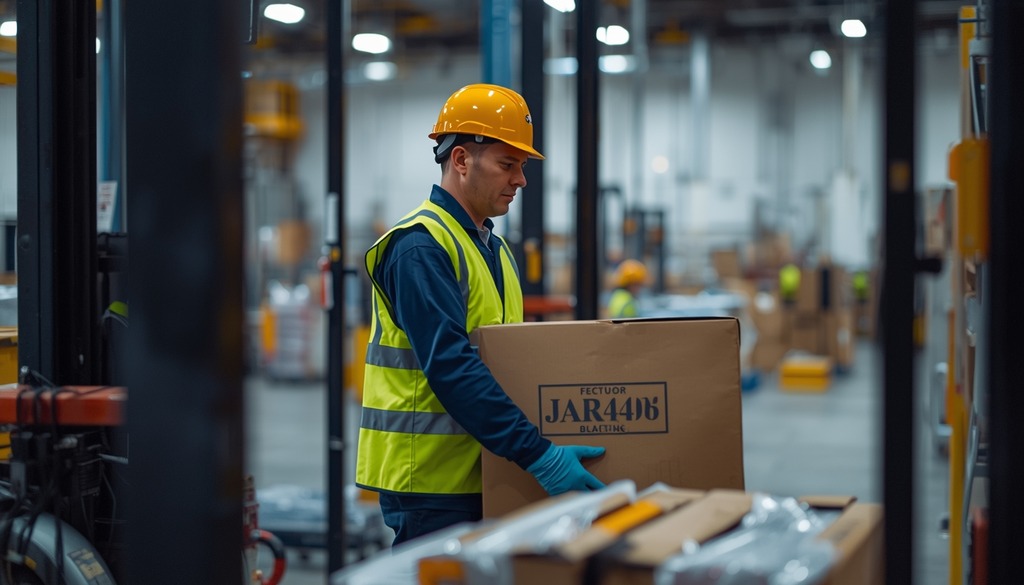
What is INDG143?
INDG143 is the HSE's authoritative guidance document titled "Manual Handling at Work: A Brief Guide". If you employ anyone who lifts, carries, pushes, or pulls loads in their work, you need to understand what this guidance requires. Manual handling injuries account for over a third of all workplace accidents reported under RIDDOR — that's roughly 20,000 injuries every year that could have been prevented.
The guidance translates your legal duties under the Manual Handling Operations Regulations 1992 into practical steps. It explains when you must avoid manual handling altongether, how to assess risks when you can't avoid it, and what control measures actually work to protect your employees.
This isn't academic theory. Every manual handling injury represents real human cost — chronic back pain, lost mobility, early retirement. The regulations exist because lifting incorrectly destroys lives.
Why INDG143 Matters for Your Business
INDG143 exists because the Manual Handling Operations Regulations 1992 place absolute legal duties on employers. These aren't guidelines — they're legal requirements backed by unlimited fines and potential imprisonment for serious breaches.
The HSE issues improvement notices when manual handling controls are inadequate. Prohibition notices can shut down operations entirely if risks are deemed imminent. In 2023, manual handling prosecutions resulted in average fines exceeding £100,000, with the largest penalties reaching £1.2 million.
But prosecution is the least of your concerns. Manual handling injuries trigger civil claims averaging £15,000-£50,000 for back injuries, with severe cases reaching £200,000+. Your employers' liability insurance covers these claims, but premiums increase and policies can be withdrawn entirely for businesses with poor safety records.
Who Must Follow INDG143?
Every employer in the UK must comply with the Manual Handling Regulations. This includes:
Construction companies — lifting materials, operating tools, moving equipment
Warehouses and logistics — handling stock, loading vehicles, operating machinery
Healthcare providers — patient handling, moving equipment, laundry operations
Retail businesses — stock handling, shelf filling, customer deliveries
Manufacturing — component handling, packaging, maintenance tasks
Offices — moving furniture, handling supplies, archive management
If your employees handle anything heavier than office paperwork, INDG143 applies to you.
Understanding Your Legal Duties
The Manual Handling Operations Regulations 1992 create three specific duties for employers. INDG143 explains how to meet each one:
1. Avoid Manual Handling
Regulation 4(1)(a) requires you to avoid hazardous manual handling "so far as is reasonably practicable". This means you must eliminate manual handling wherever possible through:
Mechanical aids — conveyors, hoists, pallet trucks, trolleys
Process redesign — reducing package weights, changing delivery methods
Automation — automated storage systems, robotic handling
Workplace layout — minimising carrying distances, optimising heights
You can't ignore mechanical solutions because they cost money. The test is reasonably practicable — if the cost is proportionate to the risk reduction achieved, you must implement it.
2. Assess Remaining Risks
Where you cannot avoid manual handling, Regulation 4(1)(b) requires a suitable and sufficient risk assessment. INDG143 uses the TILE framework:
Task — what the job involves, how often, distances carried
Individual — employee capabilities, training, health conditions
Load — weight, size, shape, stability, contents
Environment — space, lighting, flooring, temperature, ventilation
The assessment must be documented if you employ five or more people. But documentation isn't the point — identifying and controlling risks is.
3. Reduce Risk
Regulation 4(1)(b) also requires you to reduce manual handling risks "so far as is reasonably practicable". INDG143 suggests practical control measures:
Mechanical aids — even partial assistance reduces injury risk significantly
Team lifting — sharing loads between multiple workers
Load modification — reducing weights, improving grip, adding handles
Environmental improvement — better lighting, non-slip surfaces, adequate space
Work organisation — job rotation, rest breaks, reduced frequency
Key Risk Factors INDG143 Identifies
INDG143 lists specific risk factors that significantly increase injury likelihood. These trigger mandatory risk assessments:
Task Factors
Holding loads away from the body — increases spinal forces dramatically
Twisting or stooping — awkward postures multiply injury risk
Reaching upwards — compromises stability and control
Large vertical movement — lifting above shoulder height or from floor level
Long carrying distances — sustained loading causes fatigue
Frequent or prolonged activity — cumulative loading over shifts
Insufficient rest periods — prevents recovery between activities
Load Factors
Heavy loads — INDG143 suggests 25kg for men, 16kg for women as guideline limits
Bulky or unwieldy items — difficult to grip or control
Difficult to grasp — no handles, sharp edges, slippery surfaces
Unstable contents — liquids, loose materials that shift unexpectedly
Intrinsically harmful — hot, cold, toxic, or corrosive materials
Environmental Factors
Space constraints — cramped conditions preventing good posture
Uneven or slippery floors — compromising stability and footing
Level changes — steps, slopes, or different surfaces
Poor lighting — making hazards difficult to see
Adverse weather — affecting grip, visibility, and comfort
Hot, humid conditions — increasing fatigue and sweat
Practical Implementation: What You Must Do
INDG143 isn't theoretical guidance — it provides a practical framework for compliance. Here's your step-by-step implementation plan:
Step 1: Identify Manual Handling Activities
Conduct a comprehensive workplace survey identifying every task involving lifting, carrying, pushing, or pulling. Include:
Regular operational tasks
Maintenance and cleaning activities
Emergency procedures
Delivery and dispatch operations
Seasonal or occasional tasks
Don't overlook office environments. Moving files, rearranging furniture, and handling supplies all count as manual handling.
Step 2: Apply the Hierarchy of Control
For each identified activity, work through the hierarchy systematically:
Eliminate — Can you avoid the manual handling entirely? Automated systems, direct delivery to point of use, or process redesign might eliminate the need.
Reduce — If you can't eliminate, can you reduce the risk? Mechanical aids, smaller package sizes, or improved workplace layout all reduce manual handling demands.
Control — Where manual handling remains necessary, implement controls like proper training, job rotation, and environmental improvements.
Step 3: Conduct Risk Assessments
Use the TILE assessment framework for remaining manual handling tasks. Document your findings and control measures. The assessment must be:
Suitable — appropriate to the risks and work being done
Sufficient — identifying the significant risks and control measures needed
Documented — written records for businesses with 5+ employees
Reviewed — updated when circumstances change significantly
Step 4: Implement Control Measures
Priority goes to mechanical solutions. A £500 pallet truck preventing one back injury saves you £15,000+ in compensation claims. Consider:
Lifting aids — hoists, cranes, lifting tables, vacuum lifters
Transport aids — trolleys, conveyors, pallet trucks, sack trucks
Ergonomic improvements — adjustable work heights, better handles, lighter materials
Environmental changes — improved lighting, non-slip surfaces, climate control
Step 5: Train Your Workforce
Regulation 4(1)(b)(ii) requires you to provide information on load weights and heaviest sides. But effective training goes further, covering:
Risk awareness — why manual handling injuries occur and their consequences
Safe techniques — proper lifting postures and movement patterns
Equipment use — correct operation of mechanical aids
Problem reporting — encouraging employees to identify and report hazards
Training must be practical and job-specific. Generic courses don't meet your legal obligations if they don't address your specific manual handling risks.
Common INDG143 Implementation Mistakes
HSE inspectors see the same compliance failures repeatedly. Avoid these costly mistakes:
Relying on Training Alone
Training workers to lift "properly" doesn't eliminate manual handling risks. The hierarchy of control prioritises elimination and reduction over worker behaviour. If mechanical aids are reasonably practicable, training alone won't satisfy your legal duties.
Ignoring Pushing and Pulling
Manual handling isn't just lifting. Pushing trolleys, pulling pallet trucks, and dragging equipment all fall under the regulations. INDG143 provides force limits: 25kg initial push/pull force, 10kg sustained force for men; 16kg and 7kg respectively for women.
Generic Risk Assessments
Downloaded templates don't meet legal requirements unless they address your specific workplace risks. Your risk assessment must consider your employees, your tasks, your loads, and your environment.
Focusing on Weight Limits
The weight guidelines in INDG143 aren't absolute limits. A 10kg load can cause injury if handled awkwardly, while 30kg might be acceptable with proper mechanical aids. Focus on overall risk, not just weight.
Inadequate Review
Risk assessments aren't one-time exercises. You must review them when processes change, after incidents, or when new risks emerge. Many businesses fail this ongoing obligation.
Enforcement and Penalties
The HSE takes manual handling seriously. Inspectors can:
Issue improvement notices — giving you time to implement required changes
Issue prohibition notices — stopping dangerous activities immediately
Prosecute — criminal charges leading to unlimited fines and imprisonment
Recent prosecution examples include:
A logistics company fined £400,000 after a worker suffered permanent back injury lifting packages without mechanical aids
A care home fined £200,000 following inadequate patient handling training leading to staff injuries
A construction firm fined £150,000 for requiring workers to manually lift heavy building materials
These aren't administrative penalties — they're criminal convictions with serious business consequences.
Special Considerations
Vulnerable Workers
Young workers, pregnant employees, and those with disabilities require additional consideration. Your risk assessment must account for individual capabilities, not assume everyone can handle standard loads.
Patient Handling
Healthcare and care sectors face specific challenges. The "no lift" policy reflects recognition that manual patient handling causes unacceptable injury rates. Mechanical aids aren't optional — they're essential.
Construction Work
The Manual Handling Regulations apply alongside Construction (Design and Management) Regulations 2015. Designers must consider manual handling during planning stages, specifying mechanical aids and considering construction sequences.
Resources and Further Guidance
INDG143 works alongside other HSE publications:
L23 — The Manual Handling Operations Regulations 1992 Approved Code of Practice provides detailed legal interpretation
HSG115 — Manual handling in the workplace gives comprehensive technical guidance
Getting to grips with manual handling — Sector-specific guidance for common industries
The HSE also provides the Manual Handling Assessment Chart (MAC tool) for systematic risk evaluation and the Assessment of Repetitive Tasks (ART tool) for repetitive handling activities.
What to Do Now
INDG143 compliance isn't complex, but it requires systematic implementation:
Survey your workplace to identify all manual handling activities
Apply the hierarchy of control, prioritising elimination and mechanical aids
Complete proper risk assessments using the TILE framework
Implement control measures proportionate to the risks identified
Train your workforce on safe techniques and equipment use
Review your arrangements regularly and after any incidents
The cost of prevention is minimal compared to the cost of injury. A comprehensive manual handling programme might cost £5,000-£10,000 to implement. A single serious back injury will cost you ten times that amount.
Don't wait for an accident or HSE inspection to act. Your employees depend on you getting this right, and your business depends on avoiding the financial and reputational damage that manual handling injuries cause.
To reinforce manual handling training between formal courses, regular toolbox talks are one of the most effective approaches. Our Manual Handling toolbox talk provides a ready-to-deliver briefing, or the Manual Handling Pack (£14.99) covers the full range of handling topics with attendance records included.
Need Help?
If you're unsure how INDG143 applies to your specific workplace, or you need help conducting manual handling assessments and implementing control measures, get in touch. We can help you understand your obligations and put the right systems in place to protect your employees and your business.